Animal Prints – A Fashion Trend with Wild Origins
Animal prints have become a staple in the world of fashion, adorning everything from clothing to accessories. These bold and eye-catching patterns have a rich history that dates back centuries. Let’s explore how animal prints made their way into the fashion world.
The use of animal prints can be traced back to ancient civilizations. In Egypt, for example, animal skins were used as a symbol of status and power. Pharaohs and high-ranking officials would wear garments made from leopard and cheetah skins to showcase their wealth and authority.
In the 18th century, animal prints began to gain popularity in Europe. They were initially associated with the exotic and untamed nature of the New World. European explorers brought back animal skins and furs from their travels, sparking a fascination with these unique patterns.
During the 1920s, animal prints became a symbol of luxury and glamour. The fashion industry embraced the boldness and elegance of these prints, and they quickly became a favorite among the elite. Designers like Elsa Schiaparelli and Christian Dior incorporated animal prints into their collections, further cementing their place in high fashion.
In the 1960s and 1970s, animal prints experienced a resurgence in popularity. They became synonymous with the rebellious and free-spirited counterculture of the time. Musicians like Jimi Hendrix and Mick Jagger were often seen wearing animal print garments, solidifying their status as a symbol of rock ‘n’ roll fashion.
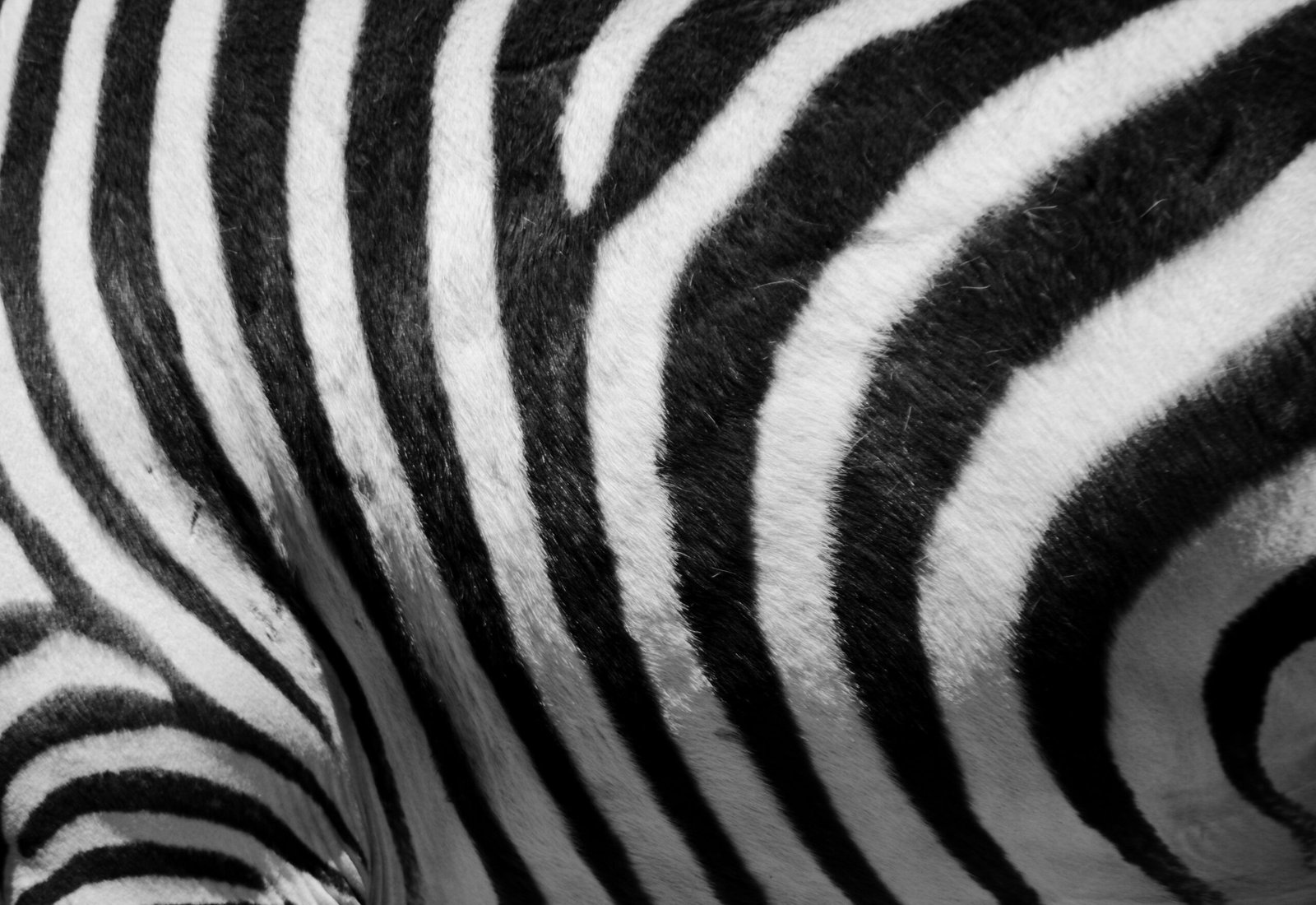
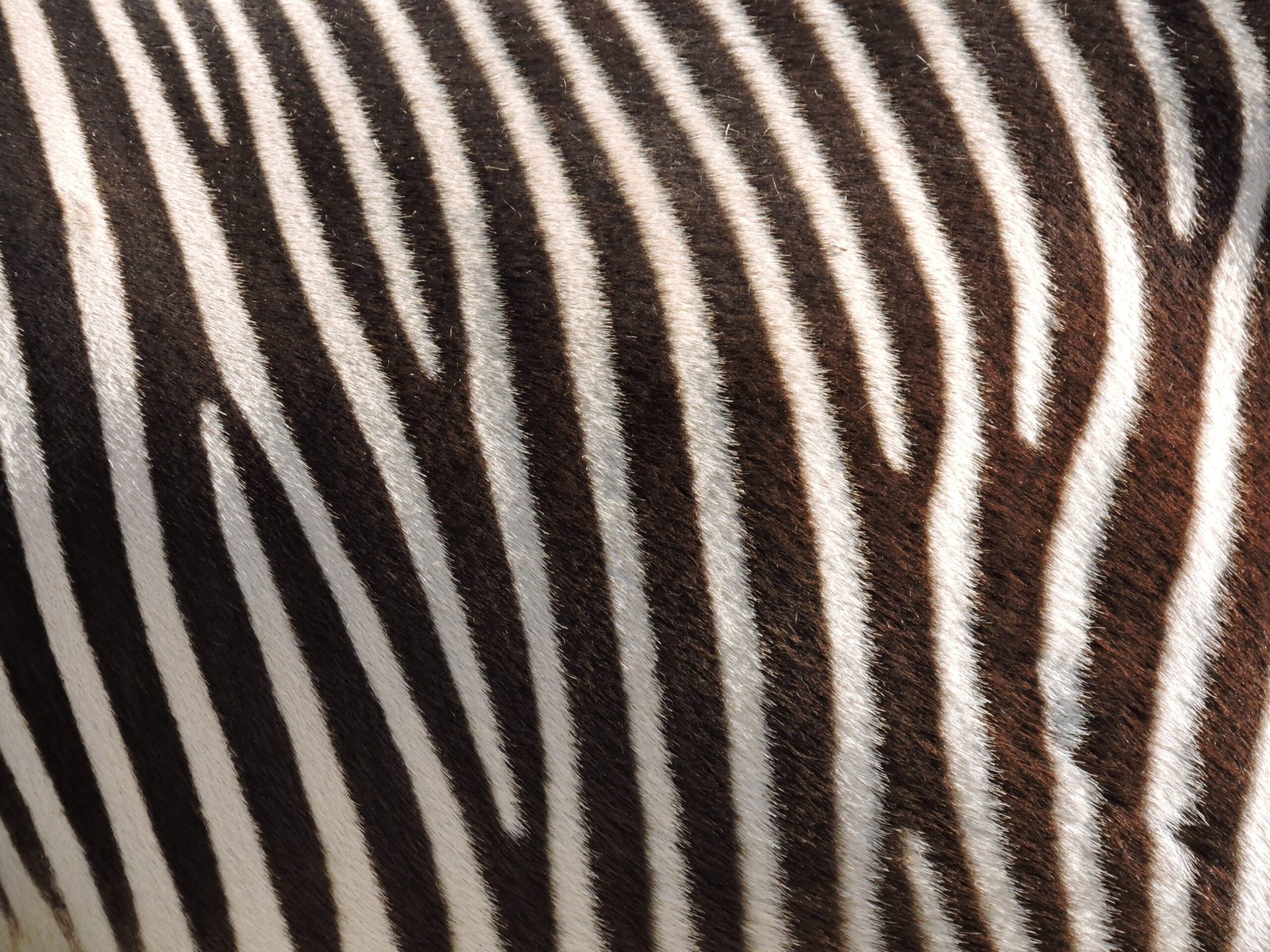
Today, animal prints continue to be a fashion statement. From leopard spots to zebra stripes, these prints add a touch of wildness and sophistication to any outfit. Whether it’s a leopard print coat or a pair of snakeskin boots, animal prints have become a timeless trend that shows no signs of fading away.
So, the next time you slip into a garment adorned with animal prints, remember the rich history and the journey these patterns have taken to become a fashion phenomenon.